Lumière Hair Clinic · Hair loss
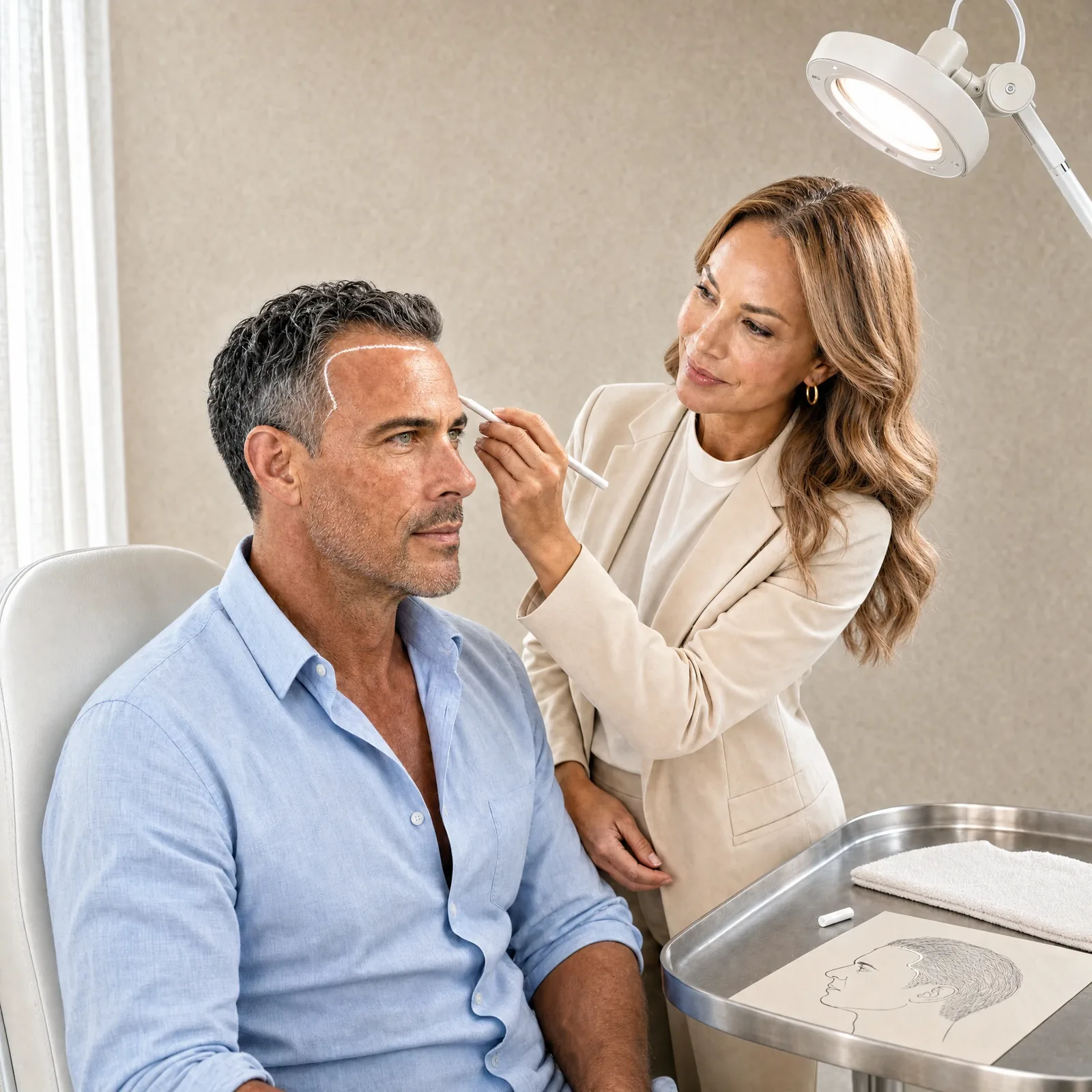
Hairline and temple recession
The hairline moving back at the corners.

The Procedural Physician
Dr Kristy Truong
US fellowship-trained
AHPRA MED0002351485
Hair assessment with Dr Kristy Truong — 45 minutes, $250, redeemable against treatment within 30 days.
- Doctor-run · A physician assesses you first
- Diagnosis first
- Inside a medical centre · Discreet by design
Prefer to talk first?
Request a callback — we'll call you within one business day.
Or call 08 6388 4474·Book online →
Who to see
The Procedural Physician
Dr Kristy Truong
Advanced Aesthetic Procedures & Hair Transplants
Dr Kristy Truong leads the clinical practice at Lumière.
View profileWhat can realistically be done
Assessment and staging
Where the hairline is, where it is heading, what is preservable.
Prescription and regenerative treatment
Slow or halt the recession where follicles remain.
Transplant planning
Hairline restoration is the most design-sensitive transplant work — Dr Truong plans it, where indicated.
What can't
A receded, follicle-bare hairline cannot be coaxed back with medicine — that is transplant territory, entered honestly. Earlier is always better.
What's going on
Temple recession is usually the first visible stage of pattern loss — the corners retreat, the forehead reads taller, and styling compensates. Because it starts subtly, it is often dismissed until it is established.
Early recession is where treatment works hardest: follicles miniaturising are rescuable, follicles gone are not. An honest assessment tells you which stage you are at.
Why it happens
- Pattern loss, genetic and hormonal
- Traction from tight styling where relevant
- Age
- Family pattern
What a first visit involves
- Your history and what's bothering you, in your words
- An examination and an honest plan, with costs in writing
- No treatment at a first visit
Hair assessment with Dr Kristy Truong — 45 minutes, $250, redeemable against treatment within 30 days.
What to expectQuestions
Where to go next
Considering treatment? Start with a hair assessment — diagnosis first, then the right treatment, which is not always a transplant. Book an assessment
Book an assessment
Diagnosis first. Then the right treatment — which is not always a transplant.